Source 4-Tier Necklace Holder Jewelry Organizer for storage, display, and organization
Compare 30 listings for the 4-Tier Necklace Holder Jewelry Organizer featuring materials like ABS, PU, and wood with options for customization. Buyers can evaluate specifications, pricing, and lead times to find suitable suppliers for living room storage and jewelry display needs.
Key considerations
Products List

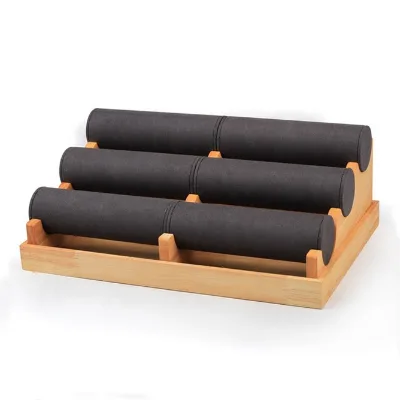
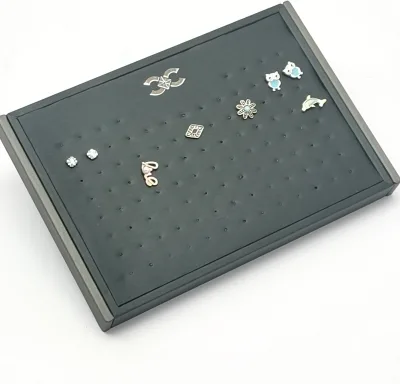
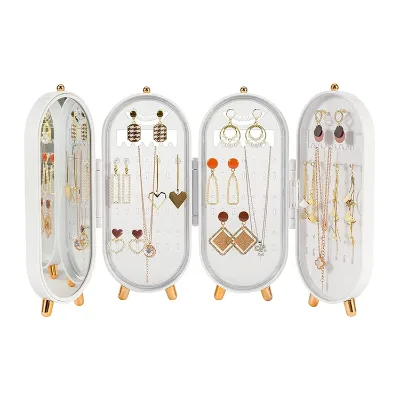


Glass Jewelry Box Jewel Case Organizer Display Case Necklace Earring Storage Box
$4.00 - $6.00
MOQ: 100 Pieces

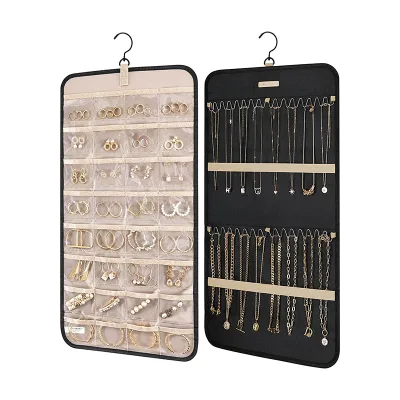




2 Tiers Acrylic Jewelry Hanging Organizer Tower Stand for Necklaces and Bracelets
$3.56 - $4.99
MOQ: 100 Pieces


Comprehensive Sourcing Guide
Strategic Sourcing Guide for 4-Tier Necklace Holders and Jewelry Organizers
The global demand for organized storage solutions has elevated the category of jewelry organizers, specifically multi-tier necklace holders, into a high-volume B2B procurement segment. Buyers seeking a "4-Tier Necklace Holder Jewelry Organizer" must navigate a complex supply chain where product attributes vary significantly between manufacturers. The core objective is to identify suppliers who can deliver units that balance structural integrity, aesthetic customization, and logistical efficiency. This guide synthesizes available market data and technical requirements to provide a disciplined framework for sourcing these specific storage units, ensuring that procurement decisions are grounded in verified facts rather than speculative claims.
Technical Specifications and Material Composition
When evaluating a 4-tier necklace holder, the primary technical differentiator lies in the material composition and dimensional consistency. The market presents a diverse range of materials, from rigid plastics like ABS to flexible polymers such as PU, and natural or composite materials including wood, metal, and velvet. A buyer must first determine the intended use case, as the material dictates the product's durability and aesthetic appeal. For instance, units constructed from ABS are often preferred for their structural rigidity and resistance to impact, making them suitable for high-traffic retail environments or heavy daily use. Conversely, options featuring velvet or wood may be targeted at luxury segments where tactile experience and visual warmth are paramount.
Dimensional specifications are equally critical for logistics and display planning. Sourcing data indicates that standard packaging dimensions can vary widely, with observed single package sizes ranging from compact 10x10x10 cm units to larger configurations measuring up to 35x24x14.5 cm. The internal structure of a 4-tier unit must accommodate the specific length and weight of necklaces without causing tangling. Some designs incorporate practical features such as holes and hangers, which are essential for preventing the common issue of necklace knotting. Buyers should verify that the tier spacing aligns with the average length of the necklaces they intend to display. Furthermore, the "Medium" specification is a common classification for these units, suggesting a balance between capacity and footprint that fits standard retail shelving or home storage spaces.
Design Functionality and Customization Capabilities
The design of a jewelry organizer extends beyond simple storage; it involves functional elements that enhance user experience. A high-quality 4-tier holder often includes features such as waterproofing, locking mechanisms, and foldability, which are particularly valuable for portable or travel-oriented storage solutions. The "Practical Holes and Hangers" design observed in current listings addresses the specific need for secure necklace suspension, ensuring that chains do not slip or tangle. Additionally, the "Clamshell" open way is a distinct design feature that allows for easy access to the contents while maintaining a secure closure, a feature that may be preferred for retail display purposes.
Customization is a dominant trend in this sector, with many suppliers offering extensive OEM and ODM services. Buyers can request custom designs, logos, and packaging configurations. The availability of customization services allows brands to align the product with their specific identity, whether through custom colors like pink, blue, white, dark blue, black, or red, or through unique structural modifications. The "Custom" model number designation found in supplier data suggests that many manufacturers operate on a made-to-order basis rather than holding extensive inventory of generic models. This flexibility is crucial for buyers looking to differentiate their product line. However, the extent of customization must be balanced against production lead times and minimum order quantities (MOQ).
Compliance, Certification, and Quality Assurance
In the B2B jewelry storage market, compliance and certification are non-negotiable elements of the procurement process. While specific product certifications vary by region and manufacturer, verified suppliers often hold credentials from recognized bodies such as BV and SGS. These certifications serve as third-party validations of the supplier's quality management systems and product safety standards. Buyers must explicitly request current certification documents before finalizing an order, as the presence of these marks indicates a commitment to international quality benchmarks.
Quality control extends beyond certifications to the physical attributes of the product. The "Handmade" feature noted in some listings suggests a level of craftsmanship that may result in higher unit costs but offers unique aesthetic value. However, handmade items require rigorous inspection protocols to ensure consistency across batches. Buyers should establish clear quality acceptance criteria regarding material finish, structural stability, and the functionality of moving parts like locks or hinges. The "Waterproof" and "With Lock" features, if claimed, must be verified through independent testing or sample validation to ensure they meet the stated performance standards. Relying solely on marketing claims without verification can lead to product failures in the field.
Cost Drivers and Pricing Dynamics
Understanding the cost structure of 4-tier necklace holders is essential for effective budgeting and margin analysis. The observed price range in the market spans from $0.82 to $66 per unit, a variance that reflects differences in material quality, design complexity, and customization levels. Lower-priced units typically utilize standard materials like ABS or basic PU with minimal customization, while higher-priced items may incorporate premium materials such as wood or velvet, advanced locking mechanisms, and bespoke packaging.
Several factors drive these costs. Material selection is the primary driver; for example, velvet and wood are generally more expensive than plastic or metal alternatives. Customization also adds a significant cost layer, including the setup fees for custom molds, logo printing, and specialized packaging. The "Single gross weight" of 1.0 kg is a critical data point for calculating shipping costs, as freight charges are often based on volumetric or actual weight. Additionally, the "Selling Units" being listed as "Single item" suggests that some suppliers may not offer bulk discounts on very small orders, necessitating a review of the MOQ structure. Buyers should analyze the total landed cost, including freight, duties, and potential customization fees, rather than focusing solely on the unit price.
Supplier Evaluation and Operational Logistics
Selecting the right supplier requires a thorough evaluation of their operational capabilities and logistical infrastructure. Key indicators of a reliable supplier include their origin location, delivery lead times, and payment terms. Many suppliers in this sector are based in manufacturing hubs such as Ningbo and Guangdong in China, which are known for their robust supply chains and expertise in plastic and textile processing. The "Fob Port" of Ningbo is a common shipping point, facilitating efficient export logistics.
Lead times are a critical factor in procurement planning. Data indicates that sample lead times can range from 2 to 15 days, while full production delivery times may extend to 35-45 days. These timelines can vary significantly based on the complexity of the order and the level of customization required. Buyers must account for these lead times in their inventory planning to avoid stockouts. Payment terms, such as "T/T 50% Deposits," are standard in the industry, requiring buyers to manage their cash flow accordingly. The "MOQ" of 50 pieces is a common threshold, though some suppliers may offer lower quantities for standard items and higher quantities for custom orders. Understanding these operational parameters is vital for maintaining a smooth supply chain.
Long-Term Procurement and Application Strategy
The long-term success of a jewelry organizer procurement strategy depends on aligning the product with specific application scenarios. These units are versatile, serving applications ranging from living room storage to professional jewelry display cases. The "Suit for Living Room" attribute highlights their dual utility as both functional storage and home decor. For retail applications, the "Cases & Displays" designation suggests that the product is designed to enhance the visual appeal of the jewelry being sold.
To ensure long-term viability, buyers should focus on building relationships with suppliers who offer consistent quality and reliable lead times. The ability to scale production, as indicated by the "Custom Order" and "OEM Order" acceptance, is a strong indicator of a supplier's capacity to grow with the buyer's business. Furthermore, the "Package" type, whether "Mail Box," "Carton," or "White Box," plays a significant role in the product's presentation and protection during transit. Buyers should consider the end-user experience when selecting packaging, ensuring it aligns with the brand's image. By prioritizing suppliers who demonstrate flexibility in design, robustness in quality, and transparency in logistics, buyers can secure a sustainable supply of 4-tier necklace holders that meet both current market demands and future growth objectives.
FAQs
What materials are used for 4-Tier Necklace Holder Jewelry Organizer units?
These units are constructed from diverse materials including ABS, PU, wood, metal, and velvet. Buyers should select based on durability needs, as ABS offers rigidity while velvet provides a luxury tactile experience for display purposes.
Can I request custom designs and logos for these organizers?
Yes, customization services are available for designs, logos, and packaging configurations. Suppliers accept OEM and ODM orders, allowing brands to align products with their identity through custom colors and structural modifications.
What are the typical lead times for sample and production delivery?
Sample lead times range from 2 to 15 days, while full production delivery takes 35 to 45 days. These timelines vary based on order complexity and the level of customization required by the buyer.
Which certifications do reliable suppliers typically hold for these products?
Verified suppliers often hold certifications from recognized bodies such as BV and SGS. These credentials validate quality management systems and product safety standards, ensuring compliance with international benchmarks before finalizing an order.
What is the minimum order quantity for custom jewelry storage units?
The minimum order quantity is typically 50 pieces, though some suppliers may vary based on the item. Custom orders often require higher thresholds, so buyers must verify specific MOQ structures before placing an order.
How do pricing and costs vary for different material options?
Prices range from 0.82 to 66 USD depending on material quality and customization levels. Lower costs usually involve standard ABS or PU, while premium materials like wood or velvet and bespoke packaging increase the unit price.